2021 Monthly Weekly Planner for KDP: A Practical Evaluation for Low-Content Creators
The self-publishing landscape on Amazon KDP has evolved significantly, with low-content and no-content books remaining a persistent niche for entrepreneurs and creators. Within this competitive market, the success of a product often hinges not on the novelty of the concept, but on the quality of execution and the ease of customization. The 2021 Monthly Weekly Planner for KDP addresses these core requirements by offering a fully tested, ready-to-use PDF template designed to streamline the publishing workflow. For professionals, marketers, and publishers looking to expand their catalog without compromising on design integrity, this resource presents a viable solution that balances simplicity with functional depth.
Understanding the Core Value Proposition
At its foundation, the 2021 Monthly Weekly Planner for KDP is more than just a collection of blank pages; it is a structural framework optimized for the specific technical constraints of the Kindle Direct Publishing platform. Many aspiring publishers encounter friction when attempting to upload documents that do not meet precise formatting standards or when struggling to maintain consistency across hundreds of pages. This template eliminates those variables by providing a file that has been rigorously tested within the KDP ecosystem. The assurance that the layout will render correctly upon upload is a critical feature that saves hours of troubleshooting time.
The primary utility of this tool lies in its flexibility. While it serves as an immediate asset for those seeking to launch a "done-for-you" product, it equally empowers creators who wish to build an entirely new version. By utilizing the included Paragraph styles, users can seamlessly modify fonts and text attributes to align with their brand identity. This level of control ensures that the final output is not merely a generic commodity but a distinctive product tailored to a specific audience segment.
Key Structural Characteristics
The architecture of the planner is built around a standard 8.5x11 inch format, which remains one of the most popular dimensions for planners and journals. This size offers a practical balance between portability and writing space, appealing to a broad demographic of users ranging from corporate executives to students. The internal structure includes:
- Title Page: A dedicated opening page that sets the professional tone for the book.
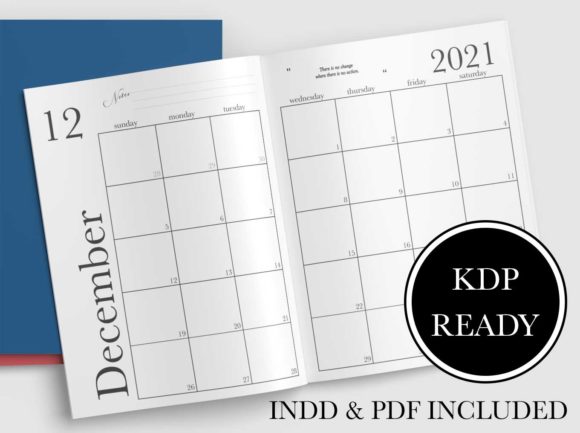
- 12 Monthly Spread Pages: Comprehensive layouts allowing users to visualize their year at a glance.
- Weekly Spreads: Detailed grids designed to break down monthly goals into actionable daily tasks.
- Specialty Extras: Dedicated sections for Dinner planning, Goal setting, Gratitude logging, and additional organizational tools.
This comprehensive suite of features moves beyond basic calendar grids, addressing the holistic needs of modern productivity enthusiasts. The inclusion of diverse tracking sections transforms the planner from a simple scheduling tool into a lifestyle management system.
Design Philosophy and Usability
Aesthetics play a pivotal role in the perceived value of a low-content book. The 2021 Monthly Weekly Planner for KDP adopts a clean and simple design language, avoiding visual clutter that can distract from the user's primary goal: organization. The choice of Baskerville as the default font is a deliberate decision that reflects a classic, authoritative, and highly readable typeface. Baskerville is known for its high contrast and elegant serifs, making it suitable for both formal business contexts and personal reflection.
However, the true strength of the design lies in its customizability. The template utilizes paragraph styles, a feature often overlooked in amateur templates. In professional document editing, paragraph styles allow for global updates; changing a single style definition updates every instance of that text throughout the entire document. This functionality is invaluable for publishers who need to adjust font sizes, colors, or spacing efficiently. It ensures that the final PDF maintains perfect alignment and consistency, a common point of failure in manually created documents.
Practical Application in Real-World Scenarios
Consider the scenario of a freelancer launching a New Year's resolution campaign. The timing of the 2021 Monthly Weekly Planner for KDP aligns perfectly with seasonal demand, capturing the influx of shoppers looking to organize their lives after the holidays. Because the template is ready for immediate listing, a publisher can capitalize on this trend without waiting weeks for design work to be completed. They can simply add their own cover art—a task easily performed using standard graphic design software—and upload the interior file directly to KDP.
For educators or small business owners, the planner's versatility allows for repurposing. The weekly spreads can serve as lesson planning tools, while the goal-setting sections are ideal for team objectives. The ability to customize fonts means that a school district could rebrand the interior to match their specific color scheme and typography guidelines, creating a cohesive educational resource without needing to hire a full-time graphic designer.
Evaluating Quality and Long-Term Viability
When assessing the long-term value of a digital asset like this template, reliability is paramount. The claim that the file has been fully tested on the Amazon KDP platform suggests a reduction in the risk of rejection due to formatting errors. In the KDP environment, issues such as incorrect margins, bleed settings, or font embedding can lead to rejected files or poor print quality. By starting with a pre-validated template, creators mitigate these risks significantly.
The effectiveness of the planner also depends on the user experience of the end consumer. A well-structured interior encourages repeat purchases and positive reviews. The logical flow from monthly overviews to weekly details provides a natural progression for the user, reducing cognitive load. Furthermore, the inclusion of non-scheduling elements like gratitude and dinner planning adds a layer of engagement that distinguishes the product from competitors offering only blank calendars. These extras provide tangible value, justifying the purchase price for the customer.
Target Audience and Strategic Fit
This resource is particularly well-suited for a specific set of professionals. Entrepreneurs managing multiple product lines will appreciate the efficiency gained from a reusable template. Marketers focusing on seasonal campaigns can deploy this planner quickly to meet tight deadlines. Similarly, bloggers and content creators who monetize through physical products can use this template to diversify their income streams without diverting significant resources from content creation.
However, potential users should consider their specific goals. If the objective is to create a highly unique, hand-drawn aesthetic, this template may require extensive modification to achieve that look. It is best utilized as a robust foundation for those who prioritize structure, readability, and professional polish over avant-garde artistic expression. For serious hobbyists and publishers aiming for a streamlined operation, the trade-off between customization effort and launch speed favors this tool.
Potential Limitations and Considerations
No single template fits every creative vision perfectly. While the Baskerville font is elegant, it may not align with brands seeking a modern sans-serif or a playful handwritten style. Additionally, while the template includes various extras, the specific content of these sections (e.g., the exact prompts for gratitude) might need tweaking to resonate with a niche audience. Publishers must be prepared to invest time in adding a compelling cover and potentially adjusting the interior text to match their specific branding guidelines. The template provides the skeleton, but the creator must provide the muscle and skin.
Final Thoughts on Implementation
The 2021 Monthly Weekly Planner for KDP represents a pragmatic approach to entering the low-content book market. It acknowledges the technical hurdles of self-publishing and provides a verified solution to overcome them. By combining a tested layout, flexible styling options, and a comprehensive range of planning features, it offers a solid starting point for anyone looking to establish a presence in the planner niche.
For those willing to leverage its strengths, the path to publication becomes significantly shorter and less fraught with technical anxiety. Whether used as a standalone product or as a base for a more elaborate project, the template delivers on its promise of readiness. In an industry where speed to market and consistency are key differentiators, this resource stands out as a reliable tool for professionals seeking to turn their organizational ideas into tangible, sellable assets.